McKenna’s Fanatics Card Deal Brings Intrigue and Future Questions

Gavin McKenna has all the hype in the world surrounding him as the college hockey season starts. The Penn State University forward and projected #1 overall pick in the 2026 Draft  is the talk of the college hockey world after his two giant seasons in the WHL putting up 79 goals and 244 points in 133 games. 

Today, it was announced that Fanatics and Topps had signed McKenna to a trading card and autograph contract. Topps and their Bowman U set will be at the forefront for McKenna swag, with cards featuring McKenna throughout his year and marking any milestones along the way. Some cards will also include game-worn relics and have his autograph on it. 

After looking at the email from the PR company who, I assumed, helped broker the deal– I decided to ask some follow-up questions; mainly how long this contract is for. That would be important should McKenna be a one-and-done player at Penn State and move to the NHL– who has Upper Deck as their exclusive card maker. The Young Guns rookie cards in the Upper Deck flagship collection is a big hunt for collectors. Not only that, but Upper Deck has other brands that deal with relic cards and autograph cards in their higher end sets. 

If the Fanatics contract is a long-term, that throws some questions about McKenna’s inclusion into the Upper Deck sets and what can and can’t be used from him once he reaches that point. 

The PR group did not have an immediate answer for that question. 

Nor did the group have an immediate answer to when the roll-out dates for any of McKenna’s cards would happen, what role Topps Now could play into this contract, and if this would be a jumping off point for other college players of notable stature. 

Therefore, we’re in a holding pattern to see what will come out, when it will come out, and how much the market will crave it. Also, we’ll have to wait with bated breath about what it could mean in his jump to the NHL and their deal with Upper Deck and how that would play out, as it would have a big implication on the hobby side of things. Hell, we could maybe even see if the NHL will do what the NFL and MLB have done and jump to Fanatics for their trading cards, leaving Upper Deck like the other leagues left Panini and Upper Deck for the Topps brand exclusively (not without legal things happening in Panini’s case). Honestly, I’m shocked it hasn’t happened yet considering Fanatics does the jerseys and online marketplace for the league. 

In any case, it’s an exciting time for McKenna to have himself another solid deal before he starts his college career and it’s an interesting one for collectors to see what the market value will be and how it’ll fluctuate over time. Not to mention the future of where this goes for the hockey hobby. 

Meh Rushmore: Central Division

Everyone and their mother can do a Mount Rushmore of greatest players. Pick a generation and go and the stats tell their tale. So why not do a Rushmore of guys who just existed on their teams?? It’s not as if their tenure was the worst, but it wasn’t all that big or memorable. Which is why we’re here right now. Here’s my look at the four guys in each franchise that had a less than memorable tenure with those clubs. We’ll continue on with the Central Division and here are the guidelines I’m going by: 

RULES
200 Skater/75 Goalie minimum GP with team
At least one goalie on the list
No individual performance awards
Transplanted teams CAN use previous location for players
*Colorado can pull from Quebec
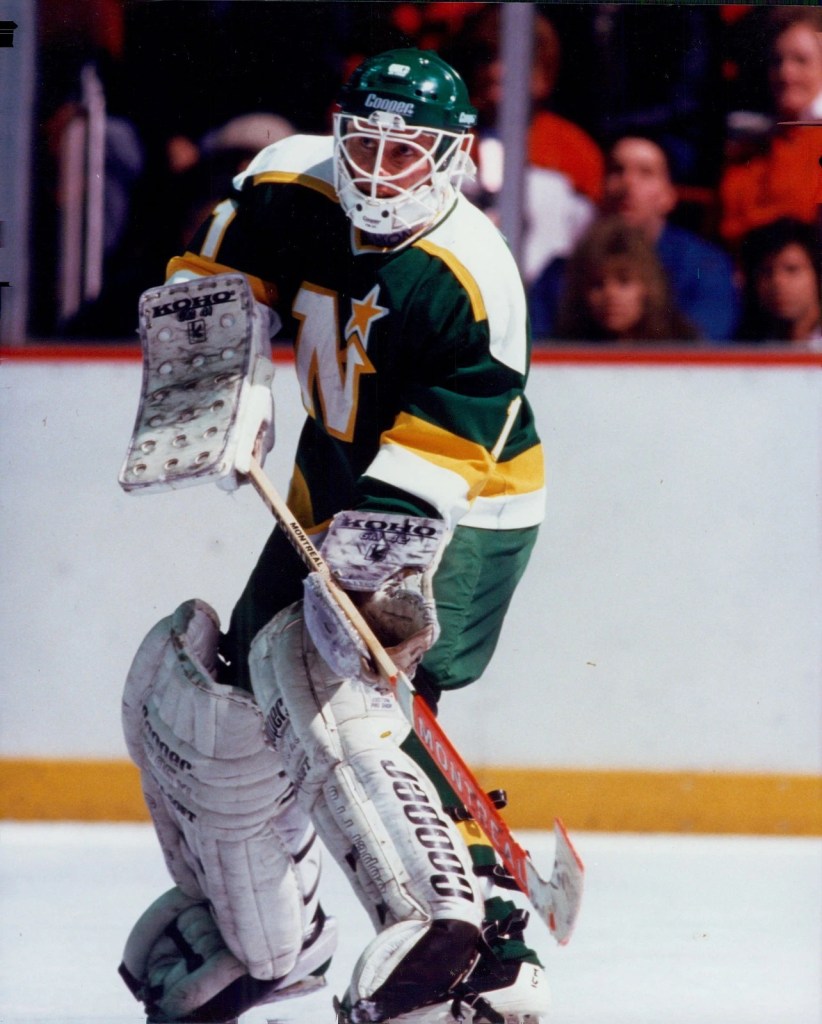
*Dallas can pull from Minnesota North Stars
*Utah will pull from Arizona/Phoenix/Winnipeg 1.0
*Winnipeg 2.0 can pull from Atlanta
Not known for designated role on team (Enforcer, Shot Blocker, Face-offs)
No current NHL players
“Meh” Status based on time with team they’re represented on

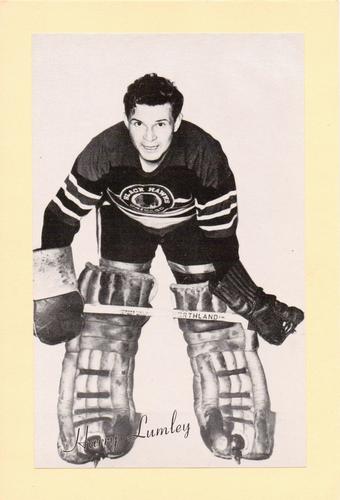
CHICAGO BLACKHAWKS: Cam Barker (200 GP, 17g, 63a); Steve Ludzik (413 GP, 46g, 92a); Rick Paterson (430 GP, 50g, 43a); Harry Lumley (134 GP, 29-85-18, 3.63 GAA)

Barker was a former 3rd overall pick with a dynamic junior career. Aside from one year, Barker’s tenure in Chicago got overshadowed by the likes of Brent Seabrook and Duncan Keith’s production. Ludzik set franchise records in juniors, but the offensive side didn’t come as easily for him in the pros. Ludzik was used in a more bottom six role with Chicago having plenty of top production already in their line-up. Paterson had one season of 14 goals, but he was another player where success offensively in lower leagues didn’t translate to the NHL. Lumley went from the Cup champions in Detroit to a sad-sack Chicago team in 1950, hitting the 40-loss mark in both seasons in Chicago. Despite being a Hall of Famer, Lumley’s time in Chicago was a forgettable mark on his resume. 

COLORADO AVALANCHE: Dan Hinote (353 GP, 27g, 38a), Rene Corbet (230 GP, 39g, 47a), Shjon Podein (239 GP, 34g, 37a), Mario Gosselin (192 GP, 79-82-12, 3.67 GAA, .871 Sv%)

Hinote had two solid years at Army before moving to major juniors and saw a regression. Hinote was able to carve out a role as a grinder and get his name on the Cup. Corbet was a better than point-per-game player coming into the NHL, however a deep line-up didn’t allow Corbet to shine as much as he did in his junior and minor league years. Podein had solid years in the NHL before coming to Colorado where the depth got the best of his ability and his adaptation to a bottom-six role allowed him to walk around in full-gear with the Cup after the 2001 win. Gosselin was in a back-up role for most his time, which suited him well. Gosselin’s lone year with starter minutes was his most disappointing year in his tenure. 

DALLAS STARS: Niko Kapanen (239 GP, 20g, 56a), Toby Petersen (243 GP, 17g, 23a), Brett Ritchie (241 GP, 33g, 21a); Kari Takko (131 GP, 33-67-14, 3,88 GAA,.879 Sv%)

Kapanen spent time in Finland before the jump to the NHL, but the point total didn’t come with. Kapanen got 14 of his 20 goals with Dallas in the post-lockout season. Petersen made a long trek through the minors before heading over to Dallas. With Dallas, Petersen got bottom-six time, which didn’t allow him to find much of an offensive punch. Ritchie had a bit of a physical game, but injuries would take its toll on him. Ritchie’s biggest season was his 16-goal campaign, which was also his career-high in games played in a season. Takko was a back-up supreme, but couldn’t seem to get the bounces to go his way. One of the memorable contributions was the Takko-Bell trade when he was dealt to Edmonton for Bruce Bell. 

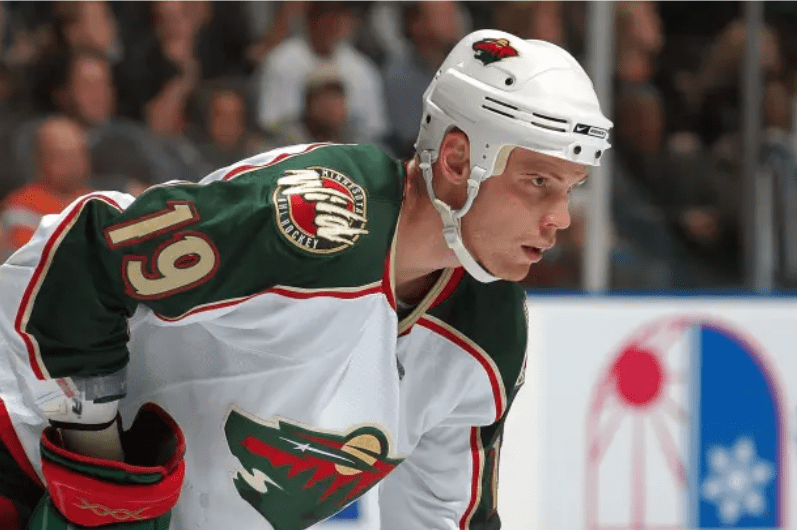
MINNESOTA WILD: Antti Laaksonen (323 GP, 55g, 63a), Stephane Veilleux (428 GP, 47g, 50a), Richard Park (217 GP, 37g, 37a), Josh Harding (151 GP, 60-59-11, 2.45 GAA, .918 Sv%)

Laaksonen was a consistent player for the first years of the Wild, but couldn’t replicate his output from college. Laaksonen was highly underrated in the grand scheme in a very defensive Wild line-up. Veilleux had a big year in his draft year, but through his NHL career, he couldn’t reach that peak. Veilleux bounced between the AHL and NHL post-lockout. Park was also part of the early teams who didn’t score all too much, but his consistency kept him as a viable bottom-six source. Harding is only here because his numbers were slightly less than Dwayne Roloson’s and Manny Fernandez won an individual stat award– that’s all. 

NASHVILLE PREDATORS: Adam Hall (234 GP, 43g, 42a), Nick Spaling (297 GP, 40g, 44a), Yannick Weber (223 GP, 6g, 18a), Mike Dunham (217 GP, 81-104-24, 2.74 GAA, .910 Sv%)

Hall had a consistent college career that moved onto the NHL ranks. Hall started to be a special teams threat in his last season in Nashville with 10 of his 14 goals coming on the power play. Spaling had a decent junior career, but it wasn’t until his last year in Nashville when he was moved to wing where he had an offensive breakout. Weber was in his last NHL years when he got to Nashville and was kind of there. Weber was in and out of the line-up in his four seasons with the Preds. Dunham was the first starter for the Preds and got shelled as a reward. Dunham’s 2000-01 season allowed his numbers not be as terrible as he had a 2.2.8 GAA and .923 save percentage. 

ST. LOUIS BLUES: Ralph Klassen (225 GP, 18g, 37a), Dmitri Jaskin (266 GP, 25g, 36a), Dave Lowry (311 GP, 53g, 51a), Vincent Riendeau (122 GP, 58-45-16, 3.34 GAA, .883 Sv%)

Klassen had a solid junior career, but couldn’t make it transfer in his years in the NHL. Klassen bounced in and out of the line-up through his Blues tenure. Jaskin came out of juniors looking like an offensive dynamo. However, Jaskin’s physical game would be his calling card in his six years with the Blues. Lowry’s highest single-season goals and points total came with the Blues, but it was under 20 goals and exactly 40 points. Lowry’s hockey IQ helped him keep a constant role in the NHL. Riendeau had a great 1990-91 season, but even still he never had a season under a 3.00 or above a .900 save percentage in his tenure with the Blues. 

UTAH “ARIZONA COYOTES” MAMMOTH: Mike Sullivan (256 GP, 13g, 20a), Lauri Korpikoski (401 GP, 62g, 83a), Radoslav Suchy (372 GP, 13g, 50a), Brian Boucher (96 GP, 28-45-18, 2.98 GAA, .898 Sv%)

Sullivan’s last stop was in Phoenix, where he played a bottom-six role. Sullivan only registered one season with double-digit points with the Coyotes. Korpikoski hit his career-high in points in his second Coyotes season, but declined in the NHL from there. Korpikoski was able to get back on track once he went back to Finland. Suchy was offensively talented in juniors and the AHL, but didn’t find that spark in the NHL. Suchy was able to transition to a more defensive role to round out his game. Boucher was in net for most of the harder times for the mid-00s Coyotes, but could not get the goal support needed. Boucher’s lone bright spot was his consecutive shutout record with five shutouts in a row in 2004. 

WINNIPEG JETS: Alexander Burmistrov (298 GP, 30g, 51a), Chris Thorburn (709 GP, 49g, 72a), JP Vigier (213 GP, 23g, 23a), Milan Hnilicka (117 GP, 29-65-13, 3.31 GAA, .901 Sv%)

Burmistrov never flourished as a top-ten pick with Atlanipeg or the rest of his time in North America. Burmistrov’s hockey IQ has gotten him a roster spot in Russia since leaving. Thorburn was a consistent scorer in junior, but his role jumping to the NHL changed. Thorburn did adapt, but never brought the scoring touch he had in the OHL. Vigier was an AHL stalwart who put up decent numbers, but couldn’t translate that into the NHL. Vigier found his touch again in Switzerland after his NHL time was up. Hnilicka took some time to get to the NHL, but his first full season was a respectable one in Atlanta. Unfortunately, Hnilicka’s second and third seasons left plenty to desire.
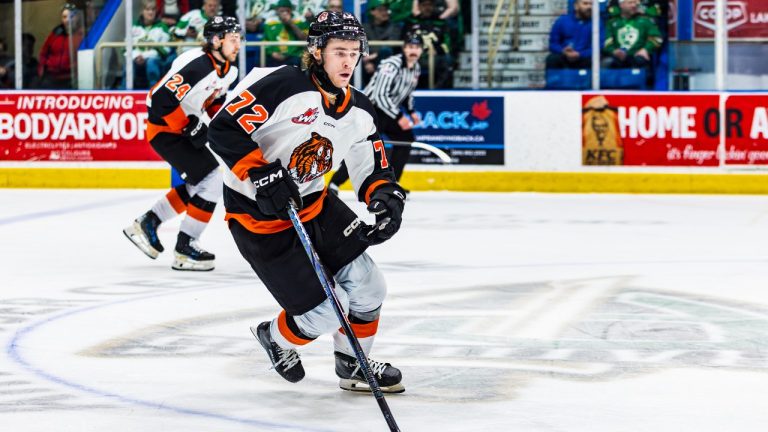
Meh Rushmore: Pacific Division

Everyone and their mother can do a Mount Rushmore of greatest players. Pick a generation and go and the stats tell their tale. So why not do a Rushmore of guys who just existed on their teams?? It’s not as if their tenure was the worst, but it wasn’t all that big or memorable. Which is why we’re here right now. Here’s my look at the four guys in each franchise that had a less than memorable tenure with those clubs. We’ll start off with the Pacific Division, but there are some guidelines I’m going by: 

GUIDELINES

200 Skater/75 Goalie minimum GP with team*
*Expansion Teams 2017-Present 100 Skater/30 Goalie GP Minimum 
At least one goalie on the list
No individual performance awards
Transplanted teams CAN use previous location for players
*Calgary can pull from Atlanta
Not necessarily known for designated role on team (Enforcer, Shot Blocker, Face-offs)
No current NHL players*
*Expansion Teams 2017-Present Exempt
“Meh” Status based on time with team they’re represented on

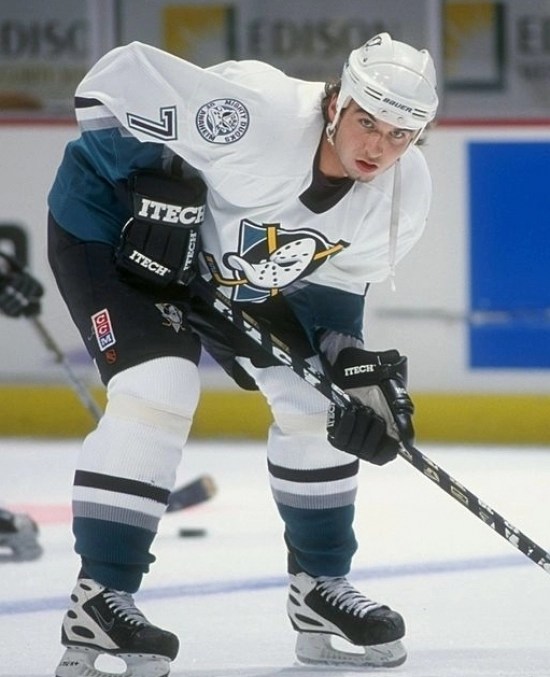
ANAHEIM DUCKS: Garry Valk (246 GP, 40g, 52a); Dan Bylsma (209 GP, 10g, 22a); Pavel Trnka (322 GP, 11g, 47a); Mikhail Shtalenkov (122 GP, 34-53-11, 3.14 GAA, .897 Sv%)

Valk was a Waiver Draft claim in 1993 and showed offensive promise in his first year in Anaheim. However, Valk couldn’t recapture that same touch in his remaining tenure with the Mighty Ducks before getting dealt to Pittsburgh in 1997. Bylsma headed to Anaheim late in his career and played a bottom six utility role, but injuries hampered his last two seasons before his shift to the coaching side of the game. Trnka’s defensive game was his calling card, but a minus-13 in his career looked more to the Mighty Ducks still trying to find an identity on both sides of the puck. Shtalenkov’s time was not great in those early expansion seasons and his numbers showed backing up Guy Hebert. After he left Anaheim, Shtalenkov got better as a back-up in the NHL. 

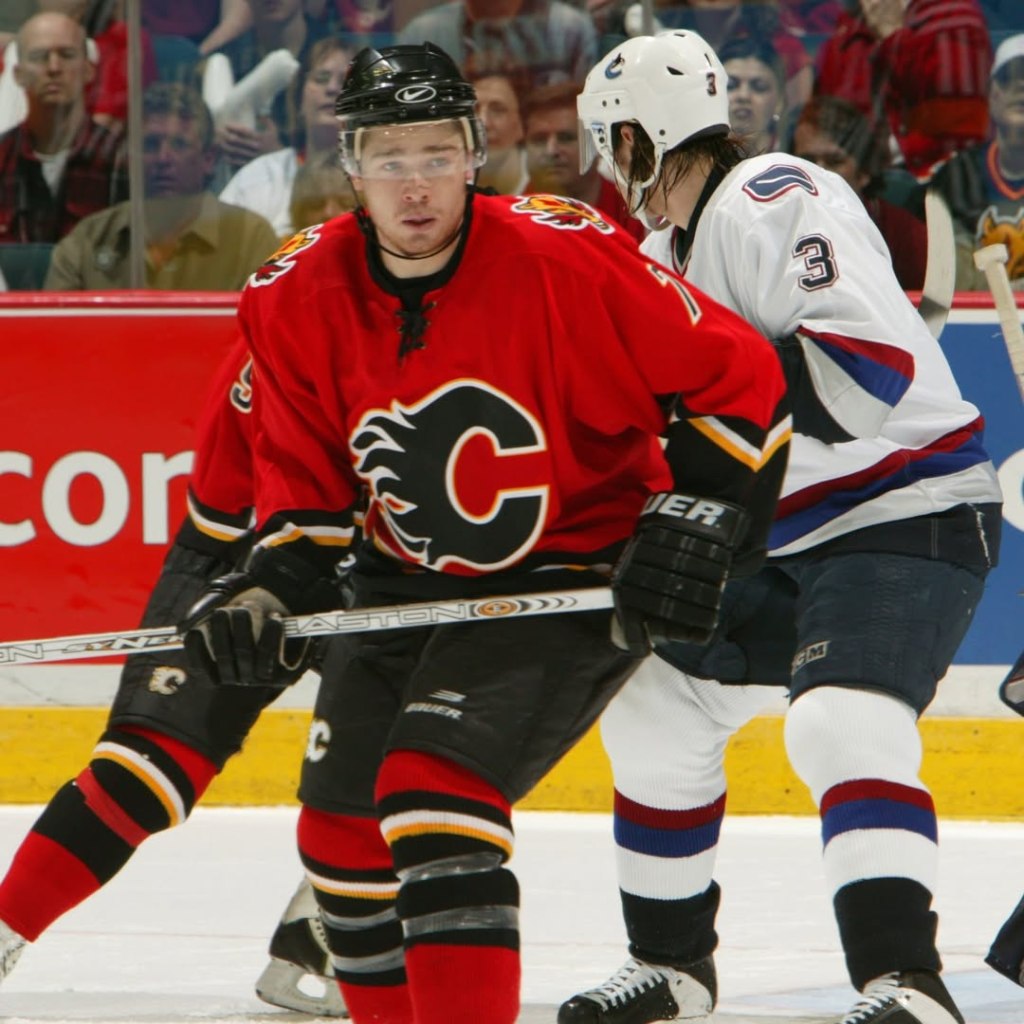
CALGARY FLAMES: Lance Bouma (304 GP, 27g, 40a); Ed Ward (215 GP, 16g, 24a), Chuck Kobasew (210 GP, 34g, 37a); Rick Tabaracci (97 GP, 36-42-10, 2.81 GAA, .896 Sv%)

Bouma was a heavy body in the WHL, but couldn’t get into the groove in Calgary. One big season in his sophomore year, Bouma was hampered with injury in his last two years in Cowtown. Ward had decent AHL numbers, but jumped into the Flames line-up in a dreadful period for Calgary and didn’t have much to contribute to the squad on the offensive side. Ward’s physical side in 1996-97 found him a semi-regular spot during the season. Kobasew was a folk-hero in Calgary during his time, but never really reached the hype put on him. He had a 20-goal season in the first year post-2004 lockout, but that was the tops for him in Calgary. Tabaracci was always a serviceable goalie and had decent numbers in his stints with Calgary. However, Tabaracci also was on those bad-luck Flames teams in the mid-90s, not getting much support for himself. 

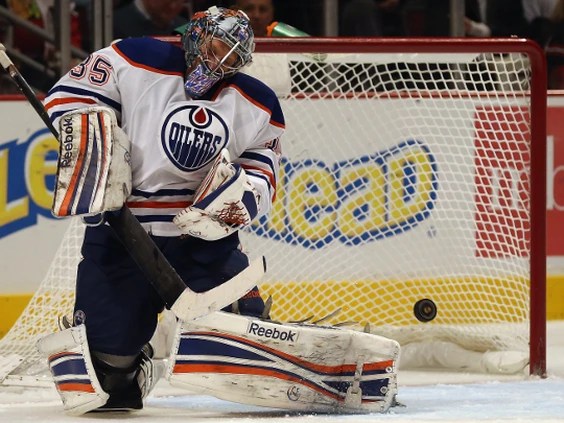
EDMONTON OILERS: Marty Reasoner (351 GP, 45g, 76a); Fernando Pisani (402 GP, 80g, 73a); Anton Lander (215 GP, 10g, 25a); Nikolai Khabibulin (117 GP, 33-67-14, 3.00 GAA, .903 Sv%)

Reasoner brought a solid game to the middle six of Edmonton in the time frame, but could never break the 10-goal mark in his 4.5 seasons with the Oilers. Pisani, much like Reasoner, was a solid middle six player, but his playoff lore with the Oilers in 2006 will forever be remembered. That said, Pisani couldn’t find the same magic that he did in those playoffs. Lander was a high 2nd round pick who didn’t pan out in the NHL. Lander has solid AHL numbers, but once he got to the Oilers; that all vanished. Khabibulin’s numbers are surprising, as it was the first time since he was in Winnipeg where he had over a 3.00 GAA in a season. While he got better, Khabibulin’s time in Edmonton was one to be forgotten. 

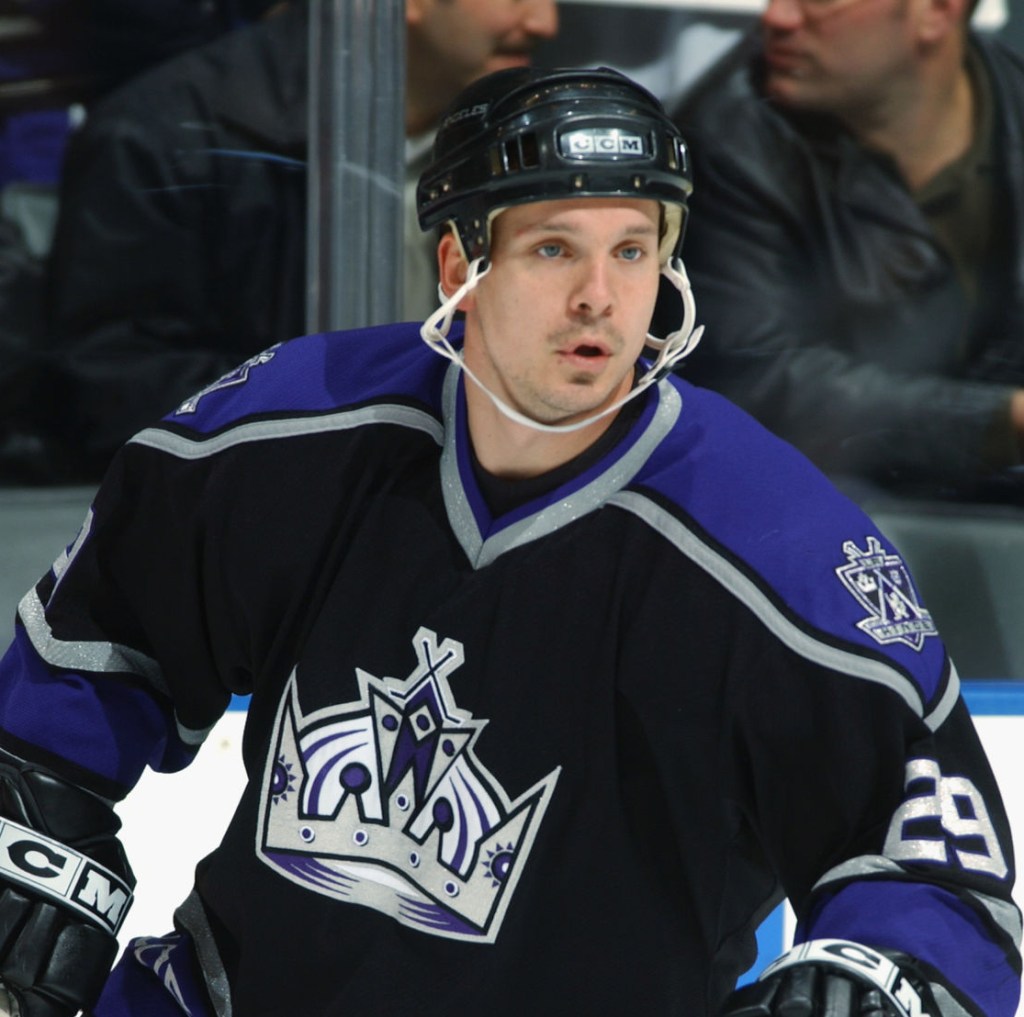
LOS ANGELES KINGS: Brad Chartrand (215 GP, 25g, 25a); Jim Peters (255 GP, 31g, 29a); Pat Conacher (241 GP, 36g, 32a); Bob Janecyk (102 GP, 42-44-12, 4.16 GAA, .866 Sv%)

Chartrand had consistency in the AHL, but couldn’t find that rhythm when getting called up to the Kings. Any momentum Chartrand had wasn’t stabilized during his times in LA. Peters was decent as an expansion team player in the late-60s for LA, but moved through the old WHL pro league and AHL before coming back to LA– but never got his mojo back. Conacher was coming onto the Kings later in his career to add to the veteran presence in the Kings locker room at that time. Conacher’s solid AHL career didn’t transfer heavily in LA, but he played his role properly to keep him up in the NHL for four seasons in LA. Janecyk started his LA career hot, but Rollie Melanson got traded into LA and took over the crease. Janecyk’s numbers dipped and he would find himself ending his career in the minors. 

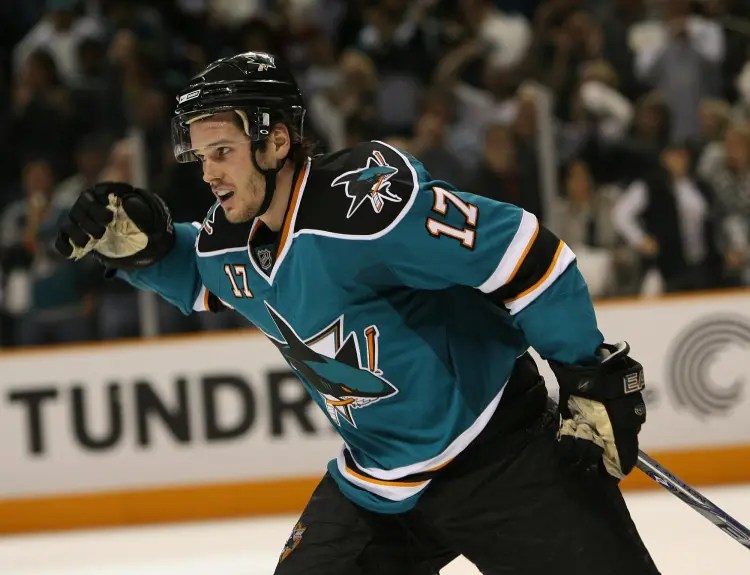
SAN JOSE SHARKS: Mark Smith (323 GP, 22g, 44a); Todd Harvey (301 GP, 34g, 49a); Torrey Mitchell (280 GP, 30g, 43a); Jeff Hackett (78 GP, 13-57-2, 4.51 GAA, .875 Sv%)

Smith had a stellar final junior season and decent AHL career, but when he went to the Sharks, he couldn’t find the offensive niche that he had previously. In Smith’s first four seasons, he had 12 less points than his last two seasons in San Jose. Harvey was a former first round pick who found his way to San Jose, but in a grinder role rather than an offensive one. Harvey got the folk-hero role, but his never reaching 25 points in a season during his time made things rather forgettable. Mitchell’s solid collegiate career looked to follow through, but never had more than 25 points in a season in his four plus seasons with San Jose. It would be Mitchell’s most successful destination over his career, as he was plagued with injuries throughout. Hackett played decently for being on a first-year team, but with only two wins in 36 games for his second season, it tainted Hackett’s tenure with San Jose. 

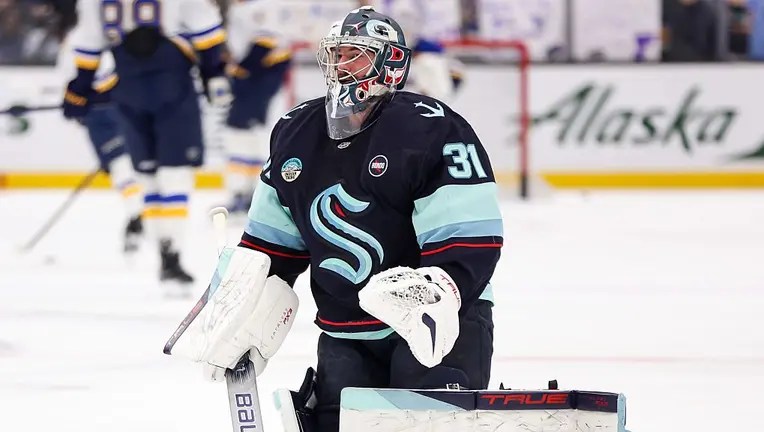
SEATTLE KRAKEN: Tye Kartye (140 GP, 17g, 16a), Morgan Geekie (142 GP, 16g, 34a), Alex Wennberg (222 GP, 33g, 67a); Philipp Grubauer (156 GP, 57-78-12, 3.07 GAA, .890 Sv%)

Kartye had a stellar first pro season in the AHL, but when called up by Seattle– his numbers haven’t been able to match thus far, including a stint in the AHL for the 2024-25 season. If nothing else, Geekie used the playing time in Seattle to gain him a decent position in Boston; but didn’t fit into the Kraken’s plans. Wennberg started to get his offensive stride back in Seattle before he got moved, but when you’re time is more known for a TikTok controversy than the play style wasn’t all that memorable. Grubauer brought high hopes with his signing in Seattle after a 30-win season. Yet, Grubauer couldn’t find his footing behind a subpar defense and had his starter role usurped. 

VANCOUVER CANUCKS: Taylor Pyatt (224 GP, 49g, 44a); Brandon Sutter (275 GP, 54g, 50a); Jere Gillis (309 GP, 63g, 75a); Garth Snow (109 GP, 33-52-11, 2.90 GAA, .901 Sv%)

Pyatt benefitted from being on a line with the Sedins in his first season with the Canucks. However, a big injury saw Pyatt drop down the line chart and his production followed suit. Sutter was marred by injuries in his time with Vancouver, but when he was healthy– he was a solid middle-six choice. Sutter’s durability wasn’t the greatest in his years with the Canucks. Gillis had two residencies in Vancouver and in both tenures Gillis was on teams that didn’t have a high scoring prowess. Gillis held his own and made a decent way of it. Snow was in net for the Messier years, which were very unspectacular times in Canucks’ land. While he had 20 wins in his second season, it still put Snow 11 games under .500.  

VEGAS GOLDEN KNIGHTS: Ryan Carpenter (104 GP, 14g, 18a); Paul Cotter (138 GP, 22g, 23a); Michael Amadio (193 GP, 41g, 31a); Laurent Brossoit (35 GP, 17-9-6, 2.66 GAA, .906 Sv%)

Carpenter existed on the Vegas line-up and played a role in the bottom six during the Golden Knights’ Cup run in 2018. Cotter had some hot spells in Vegas, but couldn’t find a spot in their money game and moved onto other pastures. Amadio was a solid part of the Cup team for Vegas, but he wasn’t as effective during the season outside of other spots. Brossoit was the worst of the goalie bunch for Vegas, but even his numbers weren’t shabby. Hard to find flaws in what Vegas has been able to build in their short time in the league.

Fare Thee Well, Utah Grizzlies

Photo: Trent Nelson/Salt Lake Tribune

First, it was the Colorado Avalanche arrival that forced the Denver Grizzlies to move to Utah. Now, it seems the arrival of the Utah Mammoth (coupled with other outside reasons) may be what moves the Utah Grizzlies to possibly Trenton, New Jersey. With the announcement in late July of West Valley City council giving up their minority share in the Grizzlies, freeing the way for the transfer of ownership to Pro Hockey Partners LLC; the 2025-26 season will be the last for the Utah Grizzlies in this incarnation. 

Now, of course, I highly doubt the Mammoth had anything to do with the Grizzlies leaving, but it is an interesting note of how the Grizzlies name has been affected by NHL team relocation. In this instance, the passing of David Elmore of the Elmore Sports Group– who owned the Grizzlies and other minor league entities– and the declining health of Elmore’s widow Donna Tuttle, the Elmore Sports Group announced they were looking to sell the team in late June. The last hurdle for a sale would be West Valley City agreeing to sell their share. 

The Utah Grizzlies came to be after the Denver Grizzlies needed a new place to play thanks to the Colorado Avalanche moving into town. The Grizzlies had just completed their first season in the International Hockey League where they dominated their division and won the Turner Cup in their first season. Even after a title, the NHL called and the Grizzlies were bounced out of McNichols Sports Arena. Luckily for the Grizzlies, the Salt Lake Golden Eagles left the IHL in 1994, which gave them a spot to relocate to with fans knowing the league already. That next season, they won the Turner Cup again in 1996 where they would set the then-record for biggest minor league hockey game attended when 17,381 turned out to see the Grizzlies sweep the Orlando Solar Bears. The team would be a solid part of the IHL and would be one of the six teams to move to the American Hockey League in the IHL/AHL merger. 

The AHL Grizzlies wouldn’t make as big of a dent in their new league, only having one winning season and two playoff appearances in their four seasons in the AHL. The owners of the Grizzlies would appeal for a voluntary suspension of the team, which would later end up in them selling to Dan Gilbert of the NBA’s Cleveland Cavaliers and see the franchise move to Cleveland to become the Lake Erie and now Cleveland Monsters. 

Fans in Salt Lake City didn’t have to wait long for a new team, as the Elmore Sports Group saw a good chance for a team in the lower ranks to flourish in the area. That led them to buy the dormant Lexington Man O’ War franchise and brought it to Salt Lake. To keep branding consistent, ESG bought the copyright to the Utah Grizzlies name and logos to keep the Utah Grizzlies name alive. 

The ECHL Grizzlies saw a little bit of a tougher time about things, as they only finished above 3rd place once in their 20 seasons in the ECHL, but had a record at or above .500 14-times while only missing the playoffs four times in that span (five if you count the COVID-cancelling playoffs, but we don’t). The attendance was consistent through the years, but due to the unfortunate passing of the Elmore patriarch and the new kids in the NHL in town, it was time to close this chapter down for the Grizzlies. 

As mentioned before, the Pro Hockey Partners group– who is based out of Delaware– now reportedly have eyes on Trenton, another former ECHL town where the Trenton Titans won the Kelly Cup championship in 2005. 

Though the Mammoth will be the big shiny thing for many in the Salt Lake City area, there are many fans who will reminisce about the Grizzlies. A team that helped start the careers of several notable NHLers like Tommy Salo, Steve Ott, John Erskine, Todd Bertuzzi, and Trevor Daley just to name a few. Others will remember the veteran players who toiled with the Grizzlies like Jim Montgomery, Chris Taylor, John Purves, and legendary all-time leading scorer for the ECHL Grizzlies and current head coach Ryan Kinasewich. 

The Grizzlies will leave a lasting mark in the hockey landscape of the Salt Lake City/West Valley City area. Hopefully the groundwork they laid won’t be covered over with the arrival of the Mammoth and the memory of the Grizzlies will continue to linger through the Utah area for decades to come.

That 2025 NHL Draft First Round Was…Something

The NHL has already black-listed our podcast, so let’s talk about how horrible the first round of the 2025 NHL Draft has been. It’s the first (and probably only) intentionally de-centralized Draft where the teams and their representation were not on-site for the Draft in Los Angeles. ESPN had the coverage for it and it was a sight to behold. Here’s some of my takeaways:

Awkward Post-Picked Interview in the Draft House

-Matthew Schaefer deserved better than ESPN constantly bringing up his mother’s death. While he is very open about it, for ESPN to bring it up like that and to focus on that when he was walking up, as he opened up with emotion, and as he was sitting there with Leah Hextall and her asking about it is way too much. He is such a strong person off-the-ice for what he had to deal with at such a young age…it’s not that hard to focus on his play that got him there rather than the tragedy he had to endure. 

-The guest pickers had some interesting choices among them. Shea Weber using an old flip phone to record the Predators choice, Adam Sandler as Happy Gilmore filming 10 takes with different draftee’s names, the wonderful Bayley from the WWE towering over Gary Bettman, Jeremy Roenick being Jeremy Roenick, Charlie Conway and Connie Moreau, Nikki Glaser talking about Brett Hull’s drunkenness, George Kittel calling Filip Forsberg “Felix.” What a time. 

-The NHL “Draft House” was a dumb concept. Not only was it awkward to have the player thank the team for selecting them like it was a dystopian game show– but the technical difficulties with audio on both side, the interactions being so damn sloppy in moments that were usually private, and the lack of personal touch to it makes it just a terrible idea in concept and execution. Awful Announcing has a solid breakdown of it. The awkward small talk was just cringe inducing. It’s the anti-arbitration hearing theme with the team building him up before they break them down.

-The post-drafted couch questions from Leah Hextall were…not great…again. It was just so unnecessary I understand they were meant to be quirky and fun, but they come off more awkward than the Draft House. 

-Gary Bettman using the stage in what looked like a TEDTalk was fantastic. Animated Bettman is the best, especially in his waning years as commissioner. He’s just very loose, playing into the heel role with fans and winning them over after all the boos. 

-The trade button is the best thing to happen to the NHL. 

-Could ESPN not finance an analyst who really follows junior and/or college hockey?? John Buccigross does his best on the college hockey side, but there’s no looking at these players outside of the stats that are read and the video that other people have cut up for them. It’s less about what the players can bring and more toward what the team could have. They could have done so much better with one person with the specific knowledge of the prospects. 

-The first round was over four hours. That’s just horrid, decentralized or not. I think with de-centralized, it doesn’t help move things along much better– especially with all the stuff around it. Now, I don’t know if in-person would’ve moved it along faster when you think of all the stuff that goes on before, during, and after the picks are made. There’s got to be a better way to do things to make it go faster and make it more appetizing on TV. 

While this whole event is about the kids getting drafted, and I’m sure it still was for them, the way it was presented by ESPN made it worse than it needed to be. It was clunky, it was very awkward, and overall not a great look for the Worldwide Leader when you break it down. Luckily for the draftees, they couldn’t give a good goddamn about it because they just realized their childhood dreams in one night.

Musings About the Changing College and Junior Hockey Landscapes

When the NCAA declared that Major Junior (CHL) players would be eligible to play men’s college hockey in November of 2024, the landscape of college and junior hockey shifted. It opened up 60 more teams for NCAA teams to pull talent from with some players who are highly touted NHL prospects who could now head to American colleges to continue play without any kind of hiatus to their career. 

Photo: M. Anthony Nesmith/Getty Images

The amount of young talent that have either committed to NCAA programs or rumored to be committing to NCAA programs have been happening at a rapid pace. Two top prospects in Cole Reschny and Keaton Verhoeff, both left the Victoria Royals for the University of North Dakota. Jackson Smith is leaving the Tri City Americans for Penn State. Rumors have WHL Player of the Year and projected 1st overall pick in the 2026 NHL Draft Gavin McKenna going to a Big Ten school this fall. 

When it comes to this move, it has shifted not only the idea of recruiting for some schools, but it’s shifted the junior landscape in North America. Players part of Hockey Canada’s Junior A programs– OJHL, AJHL, SJHL, etc.– don’t have to worry about staying in Junior A; they can play in Major Juniors now. In the US, the NAHL could be the most affected, with the possibility of Division 1 commitments going down due to the CHL prospect field. While that means that Division 3 and ACHA non-varsity teams getting better, it will hurt recruiting to those juniors leagues because they may not have the same selling power as they used to since the top schools won’t be giving the most looks at those leagues. 

The talent influx and the effect it is going to have for other junior hockey leagues in North America, maybe it’s time for more colleges to have their eyes on having an NCAA hockey program, if they don’t have one already. Only 65 colleges have NCAA Men’s Division 1 hockey. There are 84 schools that have NCAA Men’s Division 3 schools. As you move down the line to ACHA non-varsity teams, there are 73 teams that have Men’s Division 1 programs– with the ACHA having teams like Penn State, Arizona State, and Lindenwood University making the jump to NCAA due to their success at the non-varsity level. 

However, the biggest issue is the cost commitment to the programs. We are seeing it now with Tennessee State University, who is supposed to be the 65th team in Division 1, but had to start crowdsourcing for funds to get the program off the ground since the school cut some funding from the team during their budgeting. Even a school like the Naval Academy has gone on record saying it would not only take the men’s side going up to NCAA Division 1, but also the women’s side– as well as the cost commitment from the school to get the teams going. For any team that’s starting from scratch, it’ll take a lot of money and a lot of persuasion to get that money and support from the school in order to succeed. 

As it stands, it’s a big victory for players who want to try both the major junior route and the college route. They can get under the big spotlight as a younger player and then move onto college to get some education ahead of their movement to pro hockey. Also, for overage players in major junior– it provides an option if they aren’t ready for pro hockey or know they’d be better served with an education knowing the spots in pro hockey are still limited. 

Looking at the juniors in the States however, that could be a different story. As I mentioned, the NAHL could see a hit when it comes to D1 commitments, but that would also affect leagues further down who develop talent that often go to D3. Essentially, Major Junior could become the top destination point for colleges to pick their recruits. That would bump the other leagues down– the USHL, the former top spot, now in a secondary role. The NAHL might possibly be the spot for a lot of D3 talent to come from, but very few D1 spots than they had before. It would trickle down to Tier 3 junior leagues like the EHL and NCDC, where those players might be looking towards more of the ACHA route– which would greatly improve the talent pool of the ACHA side of things. 

In the long run, this gives the players more options and more control of how they want their development to go. They can work their way up the junior ladder, spend as much time as they need, then go to NCAA. They could jump to the NCAA after two years as major juniors. They could use the NCAA idea to position themselves better when it comes to what major junior team they want to play with. There’s a lot of options out there. 

When it comes to colleges, there’s a lot more talent to pull from to put out a better product for the student body and alumni. Let’s not get it twisted, for schools the notoriety for sports– especially hockey– is a key element as far as fundraising goes to keep said sports going and to keep prospective players wanting to attend and to keep the school successful and the hockey team sustainable. With how much hockey costs schools compared to other sports with equipment, ice fees, and the like– they need all the notoriety they can get. 

As far as the junior landscape of hockey in the United States– it remains to be seen. There might not be as many changes, it could be a total overhaul with current ownerships thinking they can’t keep up monetarily. With how volatile the junior hockey landscape is now with teams in the USHL looking at moving to the CHL last season, plus teams suspending operations or relocating– who knows what it will look like when the shift of player commitments starts to affect the talent you can attract for your team.

Hockey in Canada: Meh??

With Canada’s early exit from the World Juniors, the big realization could be coming in that maybe Canada– as a hockey nation– is just okay now. 

Photo: Matt Zambonin/International Ice Hockey Federation

Now– it’s hard to pin the hockey state of the nation on kids who are between 17 and 20 years old, but it details a bigger story in that other countries have been catching up to Canada on hockey, as well as Canada not developing the constant run of talent they’ve been known to do. Sure, prospects like Connor Bedard, and Macklin Celebrini are out there– but they are starting to become the exception and not the rule anymore. The stream of talent that Hockey Canada has been pumping out isn’t at the same pace as it was in the years past. You can call it the ebbs and flows of prospects or what-have-you, but it is hard to escape from the look at NHL rosters and the diversity of nations on those line-up cards and in the scoring race. 

TheScore’s writing staff gave their projected rosters for Canada at the NHL’s farce of a Four Nations Cup for 2025. One of the big things for their rosters is the age of their rosters and, outside of the usual suspects of Connor McDavid and Bedard; there’s not a jump-off-the-page roster anymore that looks like world beaters…or beaters of three other nations. There’s a decent amount of older players in the mix, questionable defense beyond the first pairing, iffy goaltending depths, and plenty of Zach Hyman. 

But that’s okay for hockey as a whole, regardless of what the maple leaf loving fans up north want to believe. Competitive balance is a good thing when it comes to international hockey. Countries like Czechia and Slovakia producing great talent and being competitive is good. The US pumping out solid talent in college, juniors, and the NHL is wonderful for growth of the game in North America. Sweden and Finland will have their ups and downs, but be consistent. But all the countries do have a better shot the more they’re represented and the more they make the move to the NHL for the grand audience to see. 

Yet, it’s okay for Canada to allow this to happen and not be a gatekeeper of the sport. Everyone is going to know that Canada is the country of origin for hockey in North America and there’s still more Canadians in the NHL than any other country. So it’s fine to take a step back and see what other countries are doing to see what needs to be improved on in development. 

Now, does there need to be a summit from Hockey Canada about this loss?? There shouldn’t be, but I’m sure there will be. But it should be to address the decline in registered players from 2014-15 until 2021-22. A simple answer is that the cost of everything from gear to ice time to association fee is outrageous (which isn’t just exclusive to hockey), but is there a way to ease the burden on families so their kids can play, even at a house level, without breaking the bank?? 

It has nothing to do with the kids on the ice. It has everything to do with what’s happening off of it.

Tip of the Cap to Minot State

Photo via Minot State Athletics

What the Minot State Beavers did this weekend was subjectively pretty damn cool, as they took on Colorado College and University of Denver this past weekend in two exhibition match-ups. Minot State is currently the #1 team in D1 ACHA (non-varsity) hockey; while Colorado College is #20 and Denver is #5 in D1 NCAA (varsity) hockey. Minot State dropped both games– 7-1 to Colorado College and 9-3 to Denver– but for them to go out there and see how they stacked up against the top teams in the nation on the NCAA side is a good litmus test for them.

Denver is no stranger to ACHA teams, as this was their third straight year playing against a team in an exhibition. Denver beat UNLV last year 10-0 and Lindenwood, a year before they made the jump to NCAA, 9-1 to start their 2021-22 campaign. This was Colorado College’s first time against an ACHA team. This season alone, Arizona State took on Arizona and Ferris State took on Grand Valley State, with Arizona State (16-0) and Ferris State (9-0) defeating their ACHA counterparts. 

Arizona State is well-versed in ACHA hockey, as they are one of the three teams recently who made the jump from ACHA to NCAA. Penn State and Lindenwood were the others who have gotten school support to move up to a varsity sport since 2012. 

Non-varsity hockey is college hockey in its fullest form, but there’s also the obvious gaps that remain when it comes to NCAA and ACHA schools. Mainly, the money and support of the school are the main factors and the cause of the effect that they can’t get the top ranked players the NCAA schools can get with scholarships and such. 

That’s not to say the talent, passion, or intensity isn’t there. There are plenty of skilled players in the ACHA ranks, they just went to a school that didn’t have varsity hockey. They can still be found throughout the ranks of the ACHA, but because they aren’t getting full school support; they won’t get the pick of the litter that NCAA schools have. For the passion and intensity, the ACHA players may have more than their NCAA counterpart as they may not have a competitive hockey career after their college days are done, so they are playing to the fullest every game they are out there. Not to mention the fan bases are as intense at some schools as they are in the NCAA with how vocal and supportive they are of their squads. 

The ACHA casts a further net for college hockey than the NCAA with 72 teams having Division 1 status in the ACHA to the NCAA’s 64. Not only that, but the ACHA has teams spanning to the Western US, Mid-Atlantic, and Southern US more than the NCAA has done; though the NCAA has been trying hard to expand their footprint to those areas. On the lower end side, the ACHA has almost 200 teams in Division 2 and close to 150 in Division 3. On the women’s side, they are lacking a little with only 31 in Division 1 to the NCAA’s 43. There are also 67 Division 2 women’s programs in the ACHA. 

At the end of the day, maybe the results of these games for Minot State were obvious to some. While notching four goals in two games while giving up 16 doesn’t seem that great, it has been more than other ACHA teams have gotten against NCAA squads in the past three years. It was a big step for non-varsity hockey and maybe it will get some people to look local to see what schools around them have a team and maybe get out to support college hockey to the teams and players who need the support just a little bit more than varsity teams they go up against. 

No One Will Ever Really Know What Happened at Pinto’s Palace

I’ve been trying to wrap my head around the Shane Pinto 41-game suspension for activities related to gambling, but not on hockey, that was levied Thursday by the NHL and there’s still a lot to tackle in all of this. The obvious gimmick is to blame the onslaught of betting sites that are popping up as more and more states legalize the once taboo world of sports betting. Hell, Ottawa’s helmet sponsor is one of those betting companies. 

Photo: Scott Wasilewski/ FOHS Media Faction

But, like I mentioned, this is no longer a taboo thing anymore. Sports betting is mainstream, if you hadn’t noticed at every turn of a sporting event. It’s more annoying than anything when you’re inundated with the ads at every turn– both in the game and in commercials. Someone questioned how it’s any different than being inundated with alcohol ads and there’s a point to be made– but also because alcohol hasn’t been taboo in the mainstream since the prohibition era back in the 1920s and 1930s. 

While Pinto is the first modern player in the NHL to be busted, it has happened before in the 1940s with incidents in Maple Leaf Gardens with Babe Pratt, Don Gallinger, and Billy Taylor all being caught. 

Yet, the head scratching part is with all the information at our finger-tips and all the “sources” that are around, nothing about the specifics of the gambling has been made public. The NHL has said players can bet on games that aren’t hockey and the NHL said this has nothing to do with Pinto betting on games– so then what the hell happened?? 

Is Shane running a website called Pinto’s Picks where he’s giving inside information about injuries or lifestyle happenings of his teammates and friends across the league?? Did he give money for someone else to bet under an assumed name?? Those would almost entail more than just half a season for a suspension. 

Considering there’s going to be no appeal on the matter and the NHL closed the case, it’ll be hard-pressed now to find out the how and why. In the cycle of 24-hour news, it’ll be soon forgotten to the ethos until Pinto is eligible for return and signs a contract– which will bring a whole lot of “Betting on Himself” headlines when he finally does. 

Could this be the tip of the iceberg for the NHL when it comes to gambling cases?? We had some of the Evander Kane fiasco lean that away a few years back with no solid findings, but with the increasing availability to being able to place a bet, which young kid coming up looking for a big score will slip up and really have the book thrown at them?? 

It’s easy to say, “Just take betting companies out of hockey,” but the action itself isn’t as easy nor should it be an option. As annoying as these gambling sites are, they have the money and they have reach. Things the NHL wants to possess, so it’s not going away until it burns itself out. All it means it the NHL needs to have a tighter security monitoring the players and their habits, akin to big brother, so that there’s not a huge scandal that’ll give the NHL the wrong kind of attention they’re after.

A Bit of Self-Reflection

It’s hard to tell where the motivation went. Since I’ve been doing this for over 20 years, I’m sure there’s been plenty of ebbs and flows, but not a drop-off like I’ve experienced recently.

There was a time where I used to write a lot– much more frequently than a post every year that isn’t a game report that isn’t directed to a niche market of people. Of course, that was also a time where social media and blogs and everything else was in its infancy. 

Then the boom of blogs and podcasts started and plenty of people found their niche and have had success. But the problem with that when it comes to joining a community is that when you don’t join one or join one that you don’t feel like you’re a good fit due to some differences of ideology; that motivation kind of stalls and you get into a writing block state. 

Then life changes. Going from an overnight job where you have the time during the early mornings to get early reaction to stories and be one of the first to opine on something to working during the day where you can’t access posting sites and by the time you get to be able to post something– especially in the way things go in news cycles– the talking points you have had already been thoughts about by others and it feels pointless to it all.

And even thinking out of the box has its troubles. You think something will hit and then it doesn’t. So the discouragement internally gets to you and then you kind of wonder if writing was worth the time spent doing it. It’s one of those things where you could go through a whole process and put it up and it gets no traction while the dumbest stuff actually gets plenty of traction. 

Then you write constantly and then when you’re ready to put something up, you step back and look and either leave it in the draft position or delete it entirely because you don’t think it’ll make any kind of sense or actually be good at all and now just rambling about things– kind of what this is right now. 

But you change the method of writing. You go to a single team (or state, in my case) system on another site and go on about your business…but you fall into the same trap writing where the time isn’t there, the game reports are, by and large, the only content you put up (which, don’t get me wrong– a valuable asset for junior or club hockey for their exposure), and you feel there’s something missing; but you’re unsure how to get it back. 

But then a move happens. Going from a place that kind of zapped your creativity in one aspect may spark something in the new location. Maybe in a place I’m comfortable with, that will trigger things and I’ll get back to where I was over a decade ago. Now, even I know it’s highly unlikely given the current climate of blogging and all of that– but a guy can dream. 

It’s been a hard work/life balancing act in the job I’m in now to where I was when I was younger. There’s not a down time that consists of writing, only recovering from work. Like I said, all the takes have been taken and reiterating one point seems like a copy-cat idea when you’re hours late on a reaction. Then I stretch my podcasting chops and maybe that takes too much of your time from writing in order to put that medium first and you do it to moderate levels of success. 

Now, I hit a crossroads. Not like that of Bone Thugs-N-Harmony or Cody Rhodes– but whether or not I can muster up enough motivation and sticktoitiveness to maybe get another wave going for myself and see where that goes. Or if work will be getting too much in the way again and that same stuck feeling will return and zap all the energy and self-confidence away. 

Is this what a midlife crisis is?? I am 40, so it would only make sense. Guess there’s nothing else to do but wait-and-see at what becomes of this.