Everyone and their mother can do a Mount Rushmore of greatest players. Pick a generation and go and the stats tell their tale. So why not do a Rushmore of guys who just existed on their teams?? It’s not as if their tenure was the worst, but it wasn’t all that big or memorable. Which is why we’re here right now. Here’s my look at the four guys in each franchise that had a less than memorable tenure with those clubs. We’ll start off with the Pacific Division, but there are some guidelines I’m going by:
GUIDELINES
200 Skater/75 Goalie minimum GP with team*
*Expansion Teams 2017-Present 100 Skater/30 Goalie GP Minimum
At least one goalie on the list
No individual performance awards
Transplanted teams CAN use previous location for players
*Calgary can pull from Atlanta
Not necessarily known for designated role on team (Enforcer, Shot Blocker, Face-offs)
No current NHL players*
*Expansion Teams 2017-Present Exempt
“Meh” Status based on time with team they’re represented on
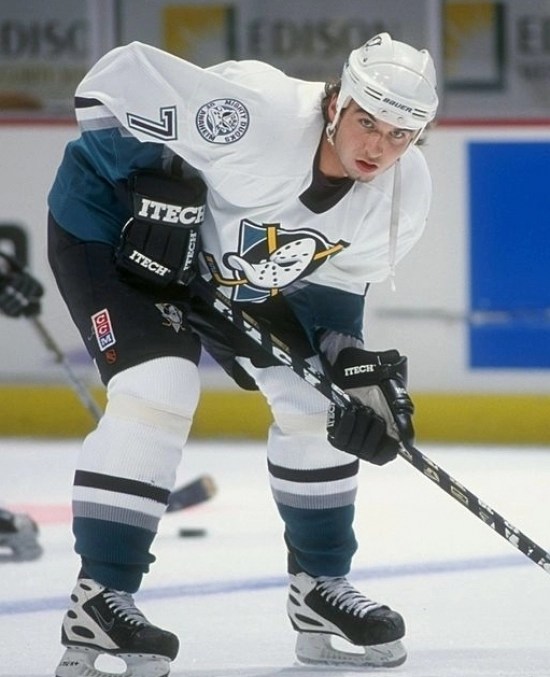
ANAHEIM DUCKS: Garry Valk (246 GP, 40g, 52a); Dan Bylsma (209 GP, 10g, 22a); Pavel Trnka (322 GP, 11g, 47a); Mikhail Shtalenkov (122 GP, 34-53-11, 3.14 GAA, .897 Sv%)
Valk was a Waiver Draft claim in 1993 and showed offensive promise in his first year in Anaheim. However, Valk couldn’t recapture that same touch in his remaining tenure with the Mighty Ducks before getting dealt to Pittsburgh in 1997. Bylsma headed to Anaheim late in his career and played a bottom six utility role, but injuries hampered his last two seasons before his shift to the coaching side of the game. Trnka’s defensive game was his calling card, but a minus-13 in his career looked more to the Mighty Ducks still trying to find an identity on both sides of the puck. Shtalenkov’s time was not great in those early expansion seasons and his numbers showed backing up Guy Hebert. After he left Anaheim, Shtalenkov got better as a back-up in the NHL.
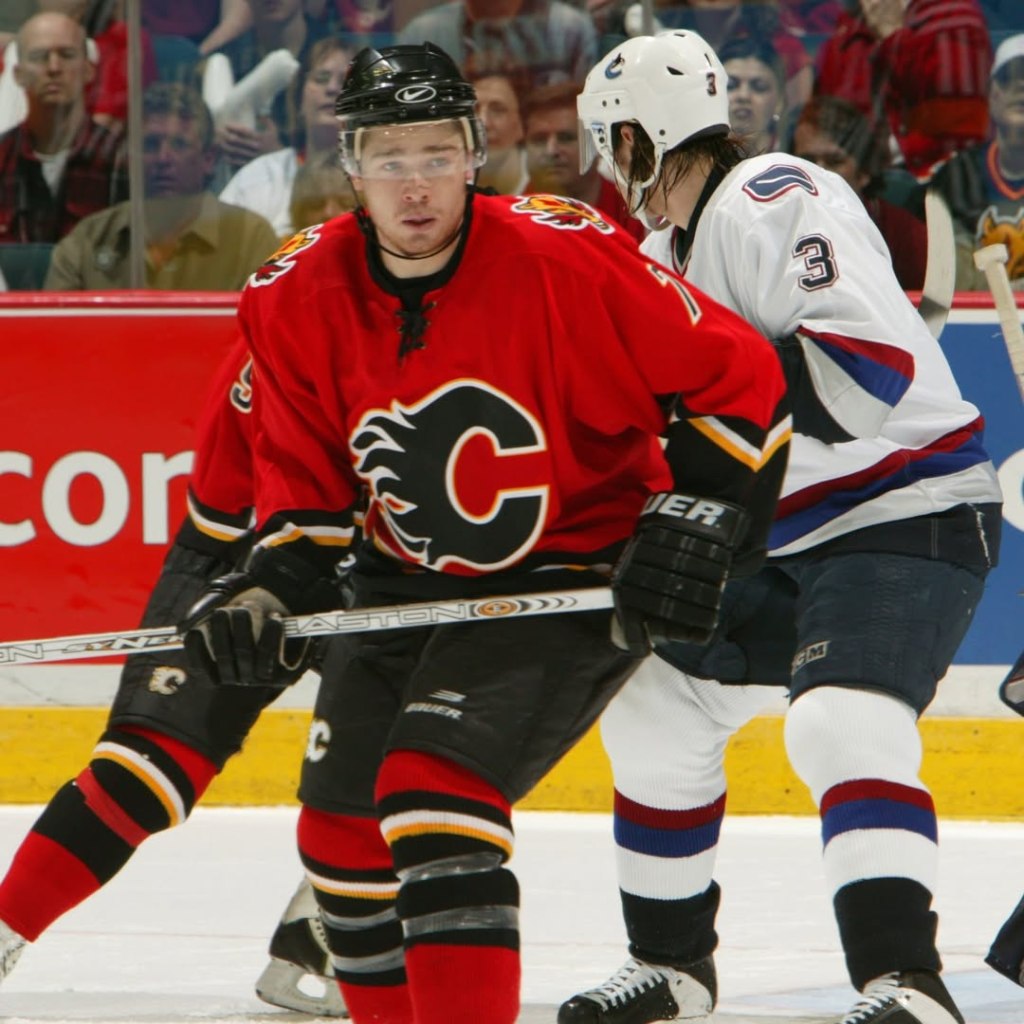
CALGARY FLAMES: Lance Bouma (304 GP, 27g, 40a); Ed Ward (215 GP, 16g, 24a), Chuck Kobasew (210 GP, 34g, 37a); Rick Tabaracci (97 GP, 36-42-10, 2.81 GAA, .896 Sv%)
Bouma was a heavy body in the WHL, but couldn’t get into the groove in Calgary. One big season in his sophomore year, Bouma was hampered with injury in his last two years in Cowtown. Ward had decent AHL numbers, but jumped into the Flames line-up in a dreadful period for Calgary and didn’t have much to contribute to the squad on the offensive side. Ward’s physical side in 1996-97 found him a semi-regular spot during the season. Kobasew was a folk-hero in Calgary during his time, but never really reached the hype put on him. He had a 20-goal season in the first year post-2004 lockout, but that was the tops for him in Calgary. Tabaracci was always a serviceable goalie and had decent numbers in his stints with Calgary. However, Tabaracci also was on those bad-luck Flames teams in the mid-90s, not getting much support for himself.
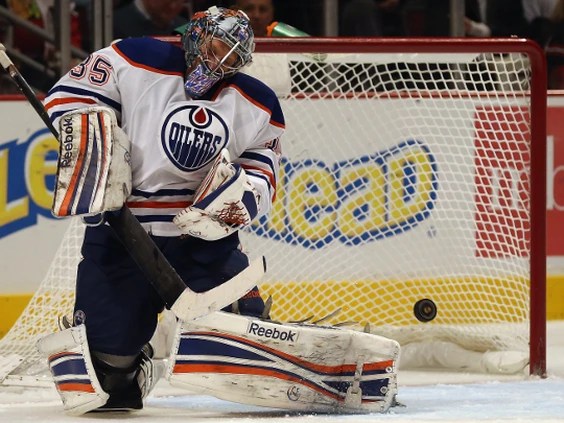
EDMONTON OILERS: Marty Reasoner (351 GP, 45g, 76a); Fernando Pisani (402 GP, 80g, 73a); Anton Lander (215 GP, 10g, 25a); Nikolai Khabibulin (117 GP, 33-67-14, 3.00 GAA, .903 Sv%)
Reasoner brought a solid game to the middle six of Edmonton in the time frame, but could never break the 10-goal mark in his 4.5 seasons with the Oilers. Pisani, much like Reasoner, was a solid middle six player, but his playoff lore with the Oilers in 2006 will forever be remembered. That said, Pisani couldn’t find the same magic that he did in those playoffs. Lander was a high 2nd round pick who didn’t pan out in the NHL. Lander has solid AHL numbers, but once he got to the Oilers; that all vanished. Khabibulin’s numbers are surprising, as it was the first time since he was in Winnipeg where he had over a 3.00 GAA in a season. While he got better, Khabibulin’s time in Edmonton was one to be forgotten.
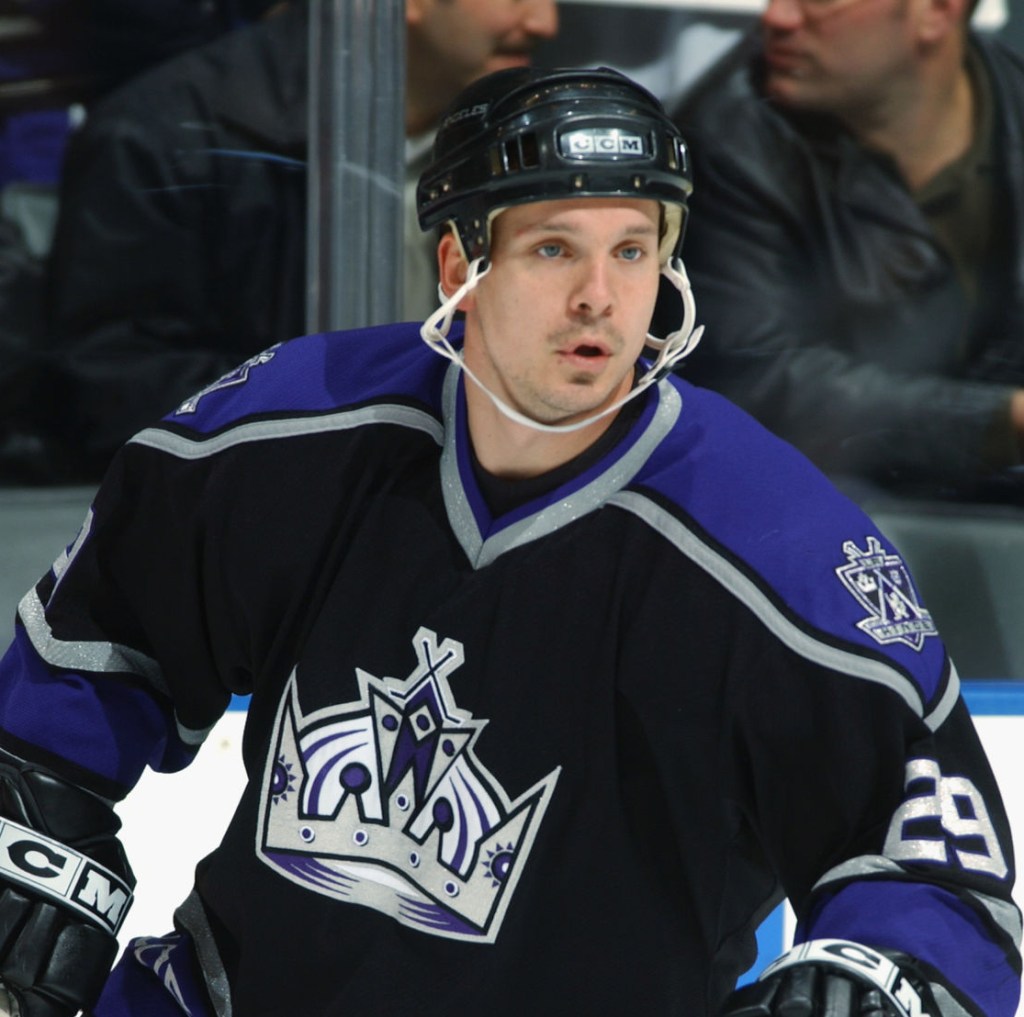
LOS ANGELES KINGS: Brad Chartrand (215 GP, 25g, 25a); Jim Peters (255 GP, 31g, 29a); Pat Conacher (241 GP, 36g, 32a); Bob Janecyk (102 GP, 42-44-12, 4.16 GAA, .866 Sv%)
Chartrand had consistency in the AHL, but couldn’t find that rhythm when getting called up to the Kings. Any momentum Chartrand had wasn’t stabilized during his times in LA. Peters was decent as an expansion team player in the late-60s for LA, but moved through the old WHL pro league and AHL before coming back to LA– but never got his mojo back. Conacher was coming onto the Kings later in his career to add to the veteran presence in the Kings locker room at that time. Conacher’s solid AHL career didn’t transfer heavily in LA, but he played his role properly to keep him up in the NHL for four seasons in LA. Janecyk started his LA career hot, but Rollie Melanson got traded into LA and took over the crease. Janecyk’s numbers dipped and he would find himself ending his career in the minors.
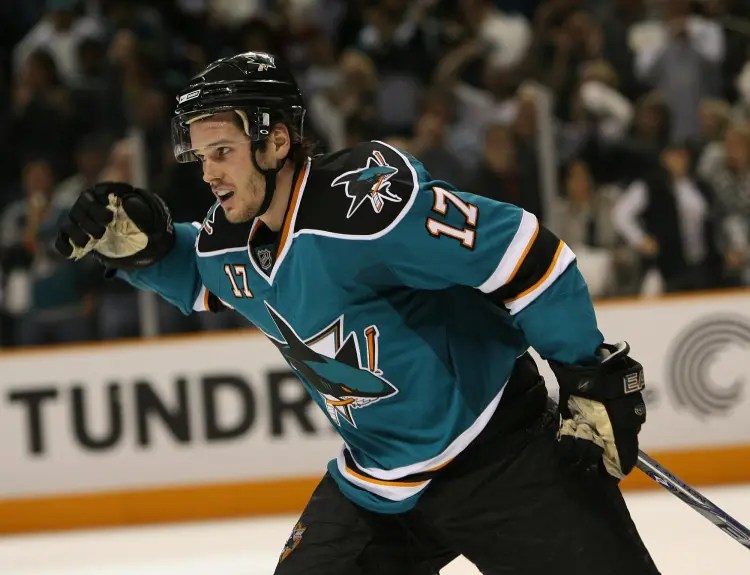
SAN JOSE SHARKS: Mark Smith (323 GP, 22g, 44a); Todd Harvey (301 GP, 34g, 49a); Torrey Mitchell (280 GP, 30g, 43a); Jeff Hackett (78 GP, 13-57-2, 4.51 GAA, .875 Sv%)
Smith had a stellar final junior season and decent AHL career, but when he went to the Sharks, he couldn’t find the offensive niche that he had previously. In Smith’s first four seasons, he had 12 less points than his last two seasons in San Jose. Harvey was a former first round pick who found his way to San Jose, but in a grinder role rather than an offensive one. Harvey got the folk-hero role, but his never reaching 25 points in a season during his time made things rather forgettable. Mitchell’s solid collegiate career looked to follow through, but never had more than 25 points in a season in his four plus seasons with San Jose. It would be Mitchell’s most successful destination over his career, as he was plagued with injuries throughout. Hackett played decently for being on a first-year team, but with only two wins in 36 games for his second season, it tainted Hackett’s tenure with San Jose.
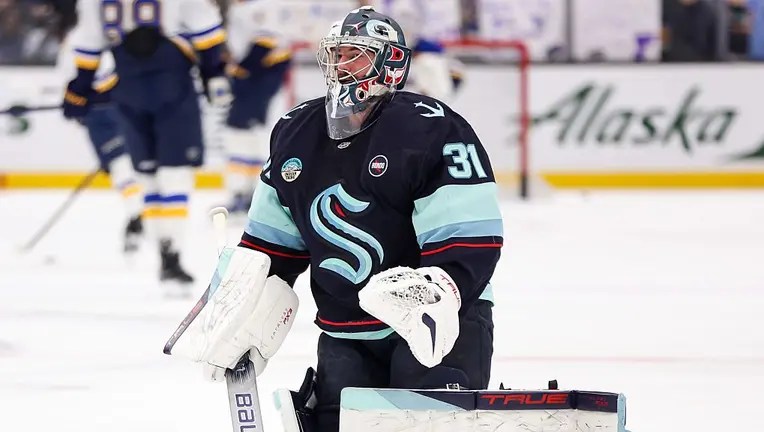
SEATTLE KRAKEN: Tye Kartye (140 GP, 17g, 16a), Morgan Geekie (142 GP, 16g, 34a), Alex Wennberg (222 GP, 33g, 67a); Philipp Grubauer (156 GP, 57-78-12, 3.07 GAA, .890 Sv%)
Kartye had a stellar first pro season in the AHL, but when called up by Seattle– his numbers haven’t been able to match thus far, including a stint in the AHL for the 2024-25 season. If nothing else, Geekie used the playing time in Seattle to gain him a decent position in Boston; but didn’t fit into the Kraken’s plans. Wennberg started to get his offensive stride back in Seattle before he got moved, but when you’re time is more known for a TikTok controversy than the play style wasn’t all that memorable. Grubauer brought high hopes with his signing in Seattle after a 30-win season. Yet, Grubauer couldn’t find his footing behind a subpar defense and had his starter role usurped.
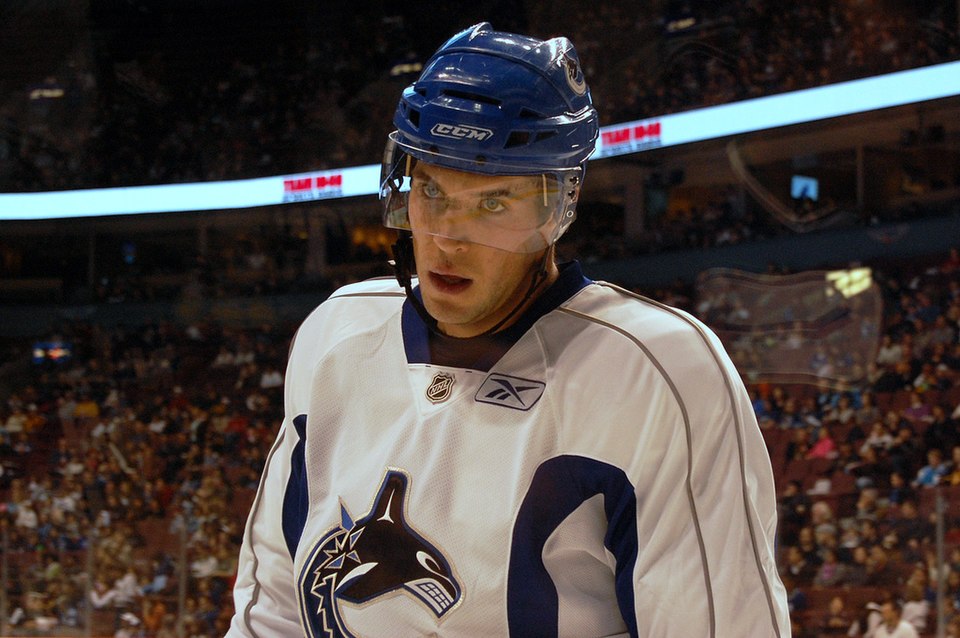
VANCOUVER CANUCKS: Taylor Pyatt (224 GP, 49g, 44a); Brandon Sutter (275 GP, 54g, 50a); Jere Gillis (309 GP, 63g, 75a); Garth Snow (109 GP, 33-52-11, 2.90 GAA, .901 Sv%)
Pyatt benefitted from being on a line with the Sedins in his first season with the Canucks. However, a big injury saw Pyatt drop down the line chart and his production followed suit. Sutter was marred by injuries in his time with Vancouver, but when he was healthy– he was a solid middle-six choice. Sutter’s durability wasn’t the greatest in his years with the Canucks. Gillis had two residencies in Vancouver and in both tenures Gillis was on teams that didn’t have a high scoring prowess. Gillis held his own and made a decent way of it. Snow was in net for the Messier years, which were very unspectacular times in Canucks’ land. While he had 20 wins in his second season, it still put Snow 11 games under .500.
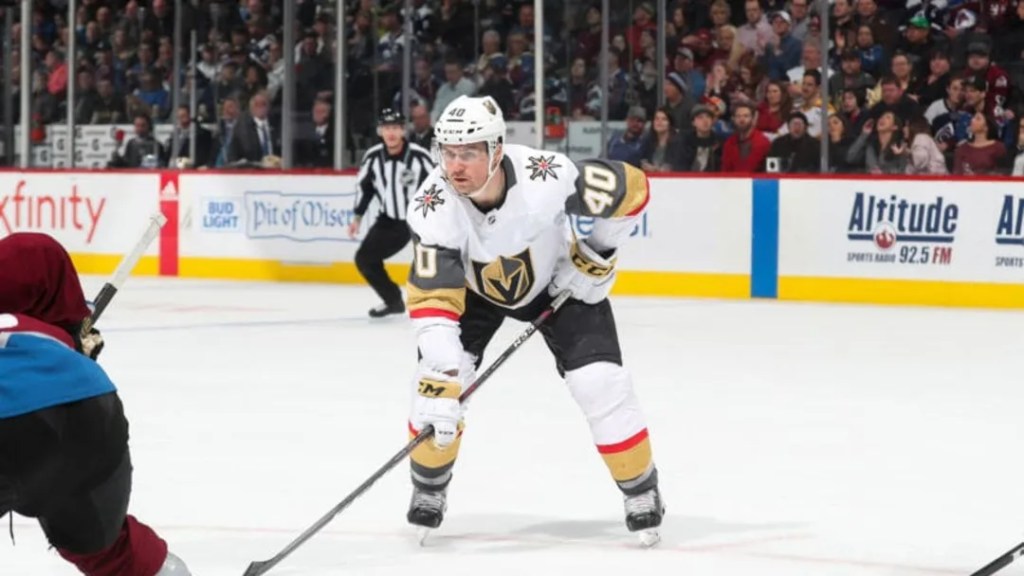
VEGAS GOLDEN KNIGHTS: Ryan Carpenter (104 GP, 14g, 18a); Paul Cotter (138 GP, 22g, 23a); Michael Amadio (193 GP, 41g, 31a); Laurent Brossoit (35 GP, 17-9-6, 2.66 GAA, .906 Sv%)
Carpenter existed on the Vegas line-up and played a role in the bottom six during the Golden Knights’ Cup run in 2018. Cotter had some hot spells in Vegas, but couldn’t find a spot in their money game and moved onto other pastures. Amadio was a solid part of the Cup team for Vegas, but he wasn’t as effective during the season outside of other spots. Brossoit was the worst of the goalie bunch for Vegas, but even his numbers weren’t shabby. Hard to find flaws in what Vegas has been able to build in their short time in the league.
 Scotty Wazz